
One-Year Warranty Inspection: How to Make the Most of Your Builder’s Promise
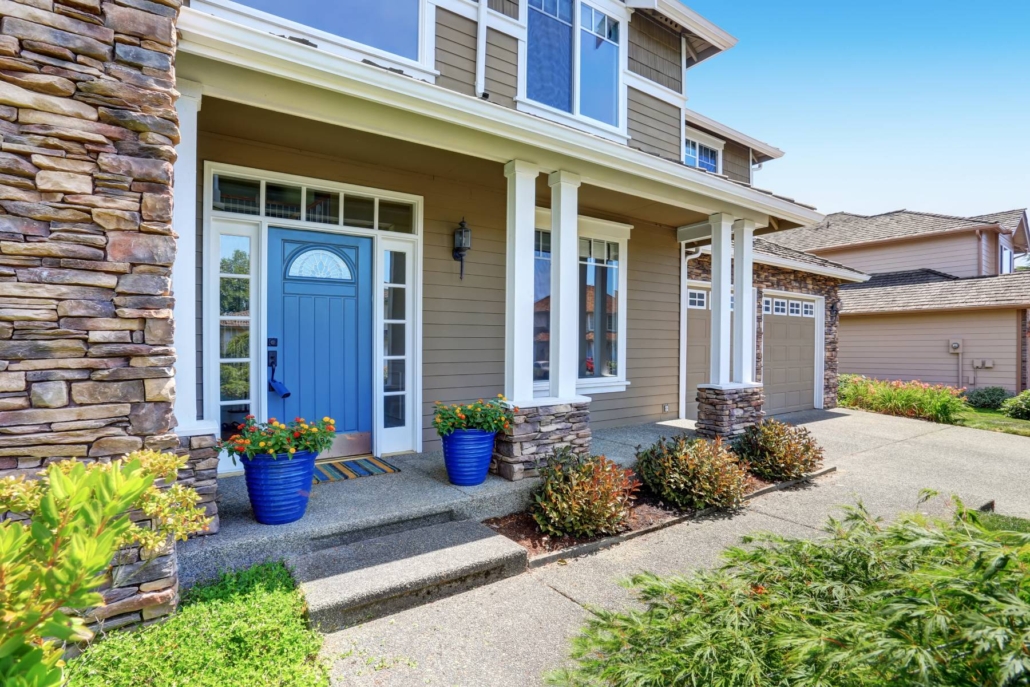
Denver’s new construction market has been one of the most active in the country for years, with thousands of new homes completed annually across the metro area in communities from Aurora and Parker to Thornton, Lakewood, and Westminster. A significant number of buyers who purchased in those waves of construction now have a deadline approaching that deserves their full attention: the expiration of the builder’s one-year warranty. A one-year warranty inspection in Denver is the professional, documented assessment that gives new construction homeowners exactly what they need to file warranty claims with their builder before that coverage window closes permanently.
What the Builder’s One-Year Warranty Covers
Most production builders in Colorado offer a one-year warranty on materials and workmanship covering the major systems and components of the home. This warranty obligates the builder to repair defects in those systems and components within the coverage period. It is one of the most tangible protections a new construction buyer has, and it disappears on a specific date regardless of whether it has been used.
The warranty typically covers workmanship and materials deficiencies in the structural elements, electrical work, plumbing, HVAC systems, and overall construction quality of the home. Structural warranties typically run longer, often ten years, but the one-year workmanship warranty covers the broadest range of components and is the most commonly actionable coverage in the first years of ownership. After that first year, issues that develop become entirely the homeowner’s financial responsibility.
Why Denver’s Construction Environment Makes This Inspection Important
The volume and pace of new home construction across the Denver metro area over the past several years has been considerable. When builders are operating at high volume, the risk of rushed workmanship, coordination gaps between subcontractors, and items that slip through the municipal inspection process increases. Colorado’s specific construction environment adds additional layers of complexity that can produce defects unique to the region.
Expansive soils are among the most significant. The Front Range sits on clay-heavy soils that move significantly with moisture changes. Grading around a new home that was acceptable at the time of the certificate of occupancy can shift over the first season, redirecting drainage toward the foundation rather than away from it. Foundation monitoring slabs that were level at closing may show differential movement after a full cycle of Colorado’s wet springs and dry falls. These are the kinds of conditions that a one-year warranty inspection in Denver catches at the right moment, when the builder is still obligated to address them.
HVAC systems in Colorado homes face a demanding environment. Furnaces running through a full Colorado winter, air conditioners cycling through intense summer heat, and the dry climate’s effect on duct sealing and equipment seals can reveal performance deficiencies that were not apparent at the time of the initial installation. The first year of operation is often when these issues present themselves.
Colorado’s intense UV radiation accelerates the degradation of exterior caulking, sealants around windows and penetrations, and roofing materials faster than in many other climates. A one-year inspection that documents these conditions while they are still a builder’s responsibility rather than a homeowner maintenance expense is genuinely valuable.
What the One-Year Warranty Inspection Covers
Villa Vista Inspection Services performs the one-year warranty inspection as a comprehensive home inspection, evaluating every major system and component of the property with the same thoroughness applied to a buyer’s inspection.
The structural assessment covers the foundation for evidence of settlement or cracking, the framing and roof system, and the grading and drainage around the home’s perimeter. In Colorado, this grading evaluation is particularly important given the expansive soil conditions across much of the Front Range. The electrical inspection covers the panel, all branch circuits, outlets, and fixtures for workmanship quality and proper function. The plumbing inspection covers all supply and drain systems for leaks, proper installation, and water heater condition. The HVAC inspection covers the heating and cooling equipment, ductwork, ventilation, and thermostat operation after a full year of use.
Thermal imaging, included with Villa Vista Inspection Services inspections, adds the ability to detect insulation gaps, moisture intrusion at rooflines and window frames, and HVAC duct leakage that are invisible to the naked eye. In new construction, thermal imaging consistently reveals insulation deficiencies that were not apparent at the time of closing.
Drone capability is also available for one-year warranty inspections to provide detailed documentation of the roof condition after the first full year of Colorado weather exposure, including hail season.
How to Use the Warranty Inspection Report
The inspection report from Villa Vista Inspection Services is a comprehensive, photo-documented record of every finding, organized with clear descriptions and photographic evidence. This report becomes the formal basis for submitting warranty claims to the builder.
Scheduling the inspection at the 10-to-11-month mark gives homeowners enough time to receive the report, review the findings, compile and submit claims to the builder, and allow the builder to respond and schedule repairs before the one-year deadline arrives. Waiting until the final days before expiration creates unnecessary urgency and may limit the builder’s ability to complete repairs within the warranty period.
Frequently Asked Questions About One-Year Warranty Inspections in Denver
Why should I hire an inspector rather than just noting issues myself? A professional certified inspector with thermal imaging and drone capability will identify defects that a homeowner walkthrough consistently misses, including insulation gaps, moisture intrusion, HVAC performance issues, and roof condition concerns. A professional report also carries far more weight with a builder than an informal list of homeowner observations, and it provides documentation that supports your position if any claim is disputed.
What kinds of issues are most commonly found in Denver new construction during a one-year inspection? Common findings include improper grading directing water toward the foundation, HVAC performance deficiencies after a full season of operation, insulation gaps revealed by thermal imaging, exterior sealant and caulk deterioration from Colorado’s UV exposure, roof flashing conditions, and evidence of differential settlement in expansive soil areas.
Does the one-year warranty inspection replace the buyer’s inspection at closing? No. The buyer’s inspection provided a point-in-time snapshot at closing. The one-year warranty inspection evaluates the home after a full year of use across all four seasons, revealing a completely different and complementary category of findings. Both serve important but distinct purposes.
What if my builder disputes the inspection findings? A professionally prepared, third-party inspection report from a certified inspector is the most credible documentation available for a warranty dispute. If a builder disputes or delays legitimate claims backed by a professional report, homeowners have recourse through the builder’s warranty documentation and, if necessary, through formal dispute resolution. Having thorough documentation is essential.
Can I schedule the one-year inspection if I am past the one-year mark? If the builder’s one-year warranty has expired, warranty claims under that coverage may no longer be available. However, a comprehensive home inspection is still valuable at any point for understanding your home’s condition and planning maintenance priorities. Scheduling before the deadline is always the recommended approach.
Does Villa Vista Inspection Services serve new construction communities throughout the Denver metro area? Yes. Villa Vista Inspection Services covers Denver, Aurora, Thornton, Westminster, Arvada, Lakewood, Littleton, Parker, Golden, Fort Collins, Boulder, and all surrounding communities across the Front Range.
Your builder’s warranty is a real, time-limited protection, and a one-year warranty inspection in Denver is how you make sure you use it fully. Villa Vista Inspection Services provides thorough warranty inspections for new construction homeowners throughout the Denver metro area and Colorado Front Range. Schedule your inspection today and protect the investment you worked hard to make.



Leave a Reply
Want to join the discussion?Feel free to contribute!